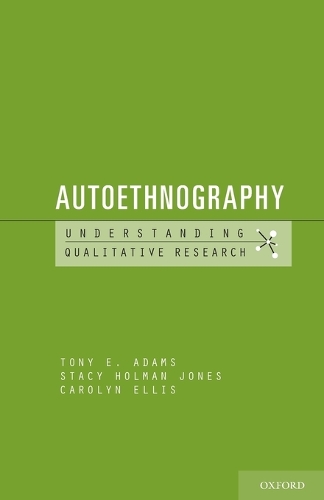
Autoethnography is a method of research that involves describing and analyzing personal experiences in order to understand cultural experiences. The method challenges canonical ways of doing research and recognizes how personal experience influences the research process. Autoethnography acknowledges and accomodates subjectivity, emotionality, and the researcher's influence on research. In this book, the authors provide a historical and conceptual overview of autoethnography. They share their stories of coming to autoethnography and identify key concerns and considerations that led to the development of the method. Next, they outline the purposes and practices--the core ideals--of autoethnography, how autoethnographers can accomplish these ideals, and why researchers might choose to do autoethnography. They describe the processes of doing autoethnography, conducting fieldwork, discussing ethics in research, and interpreting and analyzing personal experience, and they explore the various modes and techniques used and involved in writing autoethnography. They conclude with goals for creating and assessing autoethnography and describe the future of autoethnographic inquiry. Throughout, the authors provide numerous examples of their work and share key resources. This book will serve as both a guide to the practices of doing autoethnography and an exemplar of autoethnographic research processes and representations.
Publisher: Oxford University Press Inc
ISBN: 9780199972098
Number of pages: 216
Dimensions: 213 x 140 x 10 mm
Weight: 227 g
Language: English
"Overall, the text provides a useful, detailed framework for embarking on autoethnographic research, and can be very informative to other qualitative researchers considering the utility of various methods when conceiving and designing a research study." --PsycCRITIQUES
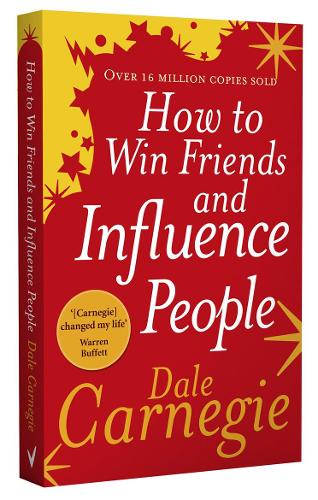 How to Win Friends and Influence People
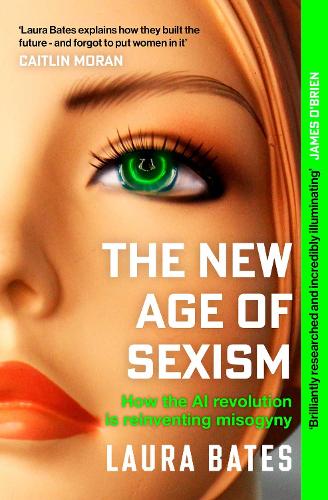 The New Age of Sexism
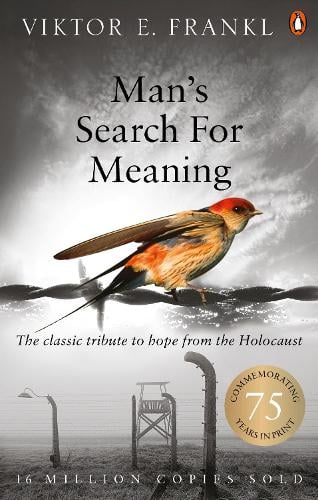 Man's Search For Meaning
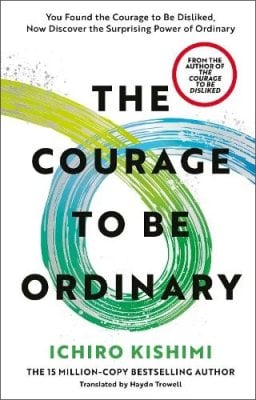 The Courage to be Ordinary
 Dopamine Nation
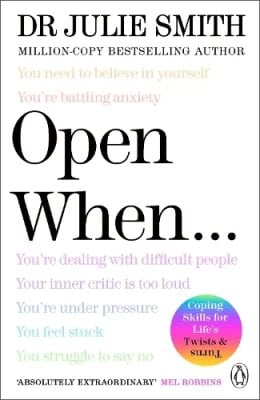 Open When…
 The Diary of a CEO
 The Anxious Generation
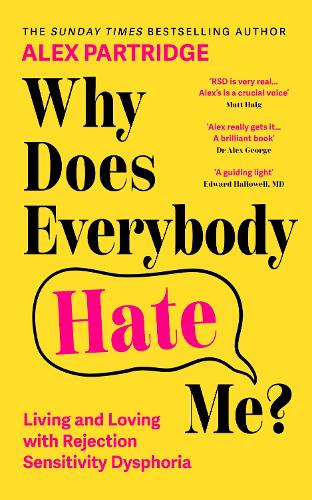 Why Does Everybody Hate Me?
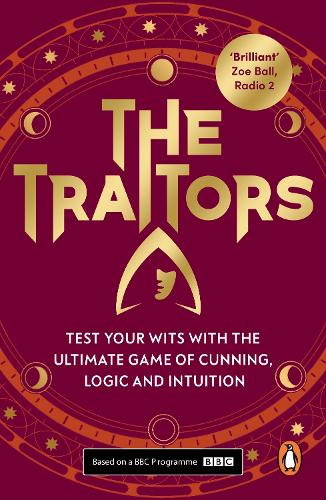 The Traitors
 Thinking, Fast and Slow
Please sign in to write a review
Would you like to proceed to the App store to download the Waterstones App?