A revered Italian author, academic, philosopher and critic, Umberto Eco was a true polymath with wide-ranging interests across fields of literature, semiotics, popular culture and gastronomy. A distinctive and eccentric figure who achieved cult status after the publication of his bestseller The Name of the Rose, Eco’s students would – as the Guardian wrote in Eco’s obituary – become used to seeing their professor ‘shuffling grumpily round his office… wearing a tweed deerstalker and a large digital wristwatch-cum-calculator.’
Born in Alessandria, a small city in Piedmont, Eco studied medieval philosophy and literature in Turin before publishing an academic work on Thomas Aquinas and then working as a journalist and editor at the Italian publishing house Bompiani in Milan, where he met some of Italy’s most daring and pioneering artists and writers. From 1966 he was appointed as a professor of semiotics, first at Milan and then in Bologna. His lifelong fascination with signs and symbols – from the mundane to the sacred – was an essential influence on his seminal medieval whodunit, The Name of the Rose. Set in a 14th-century monastery the novel became a phenomenal worldwide bestseller and has been adapted for the screen, first in 1986 as a feature film and a 2019 Italian-German mini-series, aired on the BBC.
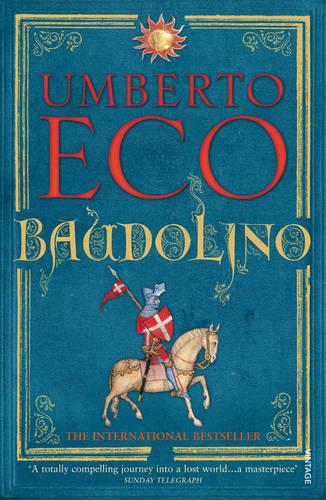
Eco continued to tread a delicate tightrope between academic rigour and popular appeal throughout his life, blending medieval history and scholarship with elements of popular thrillers in regular columns, essays and his novels Foucault’s Pendulum, Baudolino, The Mysterious Flame of Queen Loana, The Prague Cemetery and Numero Zero.
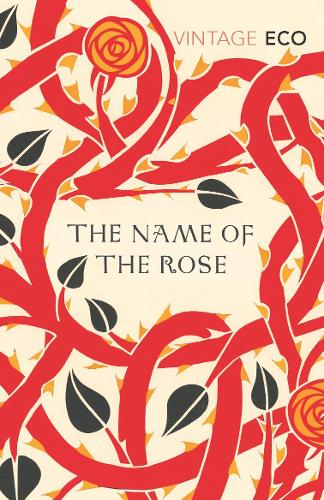 The Name of the Rose
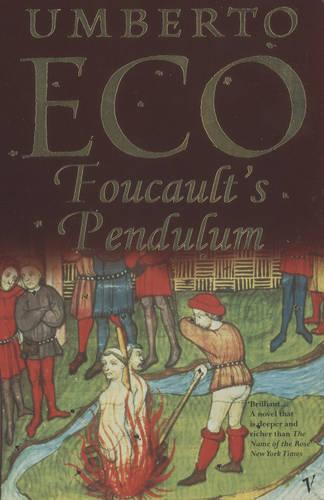 Foucault's Pendulum
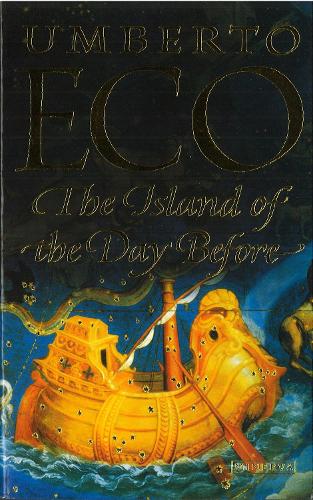 Island of the Day Before
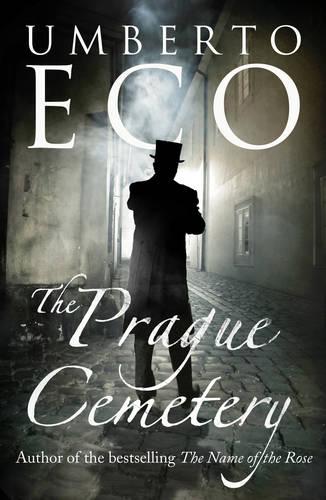 The Prague Cemetery
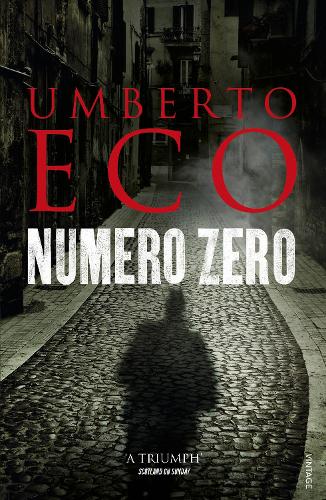 Numero Zero
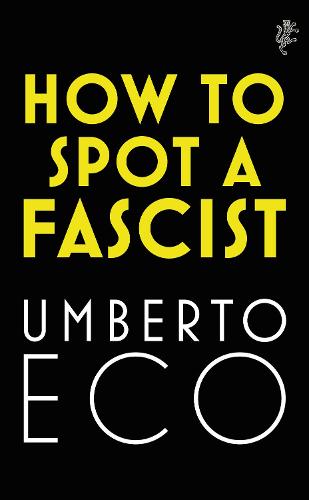 How to Spot a Fascist
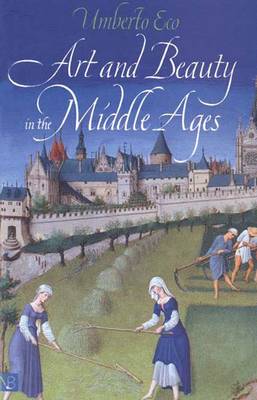 Art and Beauty in the Middle Ages
 How To Travel With A Salmon
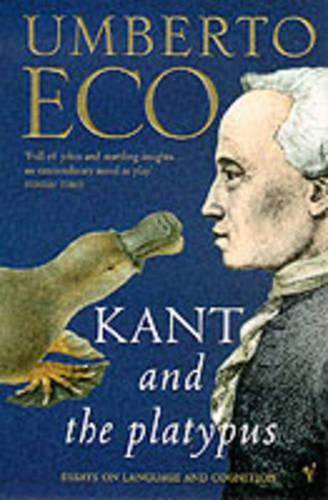 Kant And The Platypus
 Faith in Fakes
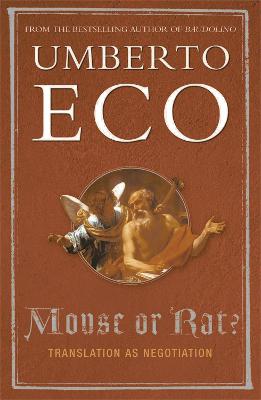 Mouse or Rat?
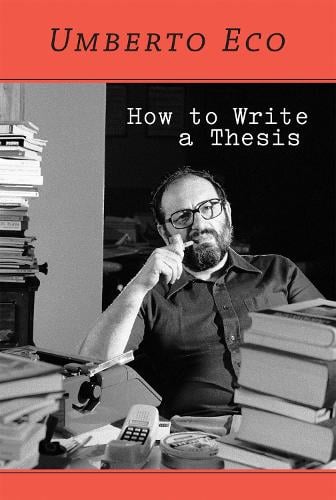 How to Write a Thesis
 Five Moral Pieces
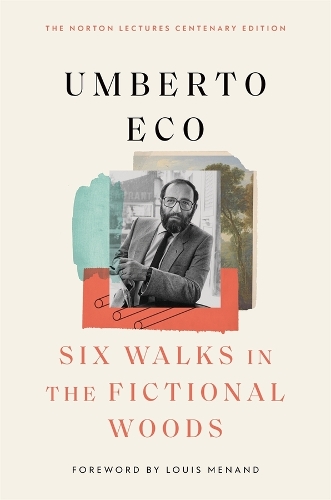 Six Walks in the Fictional Woods
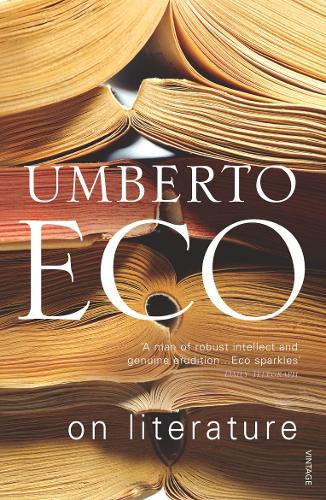 On Literature
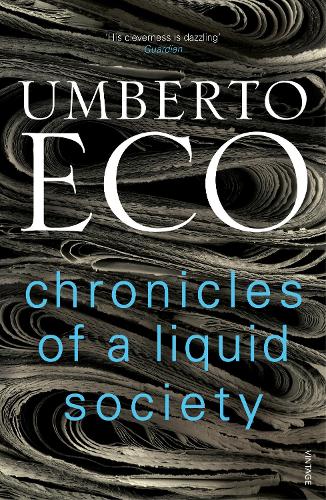 Chronicles of a Liquid Society
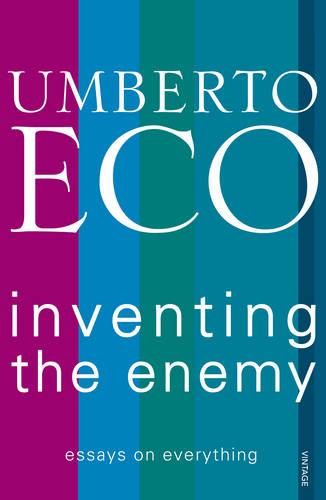 Inventing the Enemy
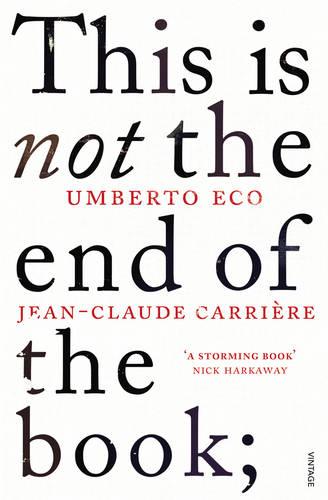 This is Not the End of the Book
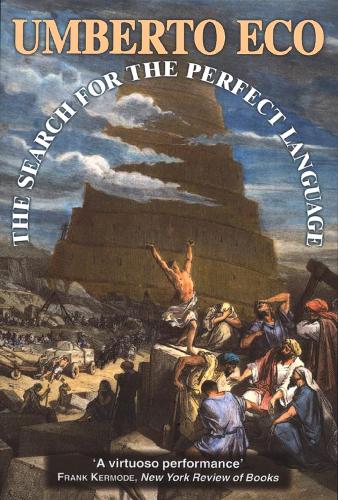 The Search for the Perfect Language
 A Theory of Semiotics
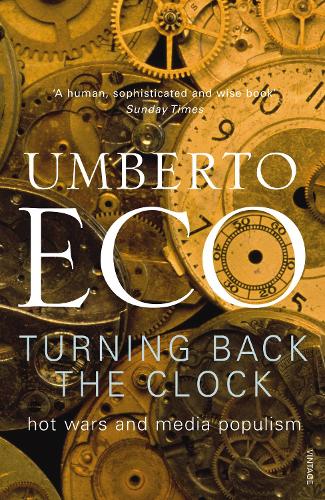 Turning Back The Clock
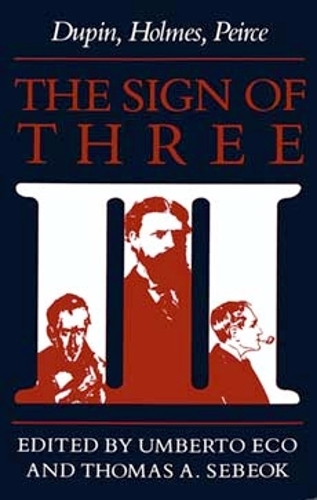 The Sign of Three
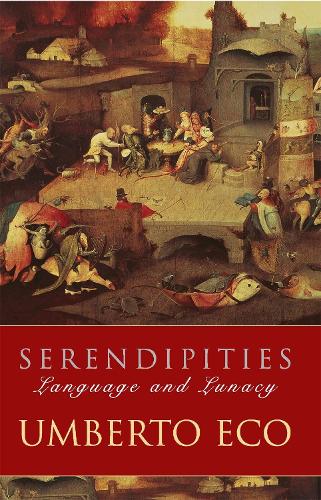 Serendipities
Would you like to proceed to the App store to download the Waterstones App?